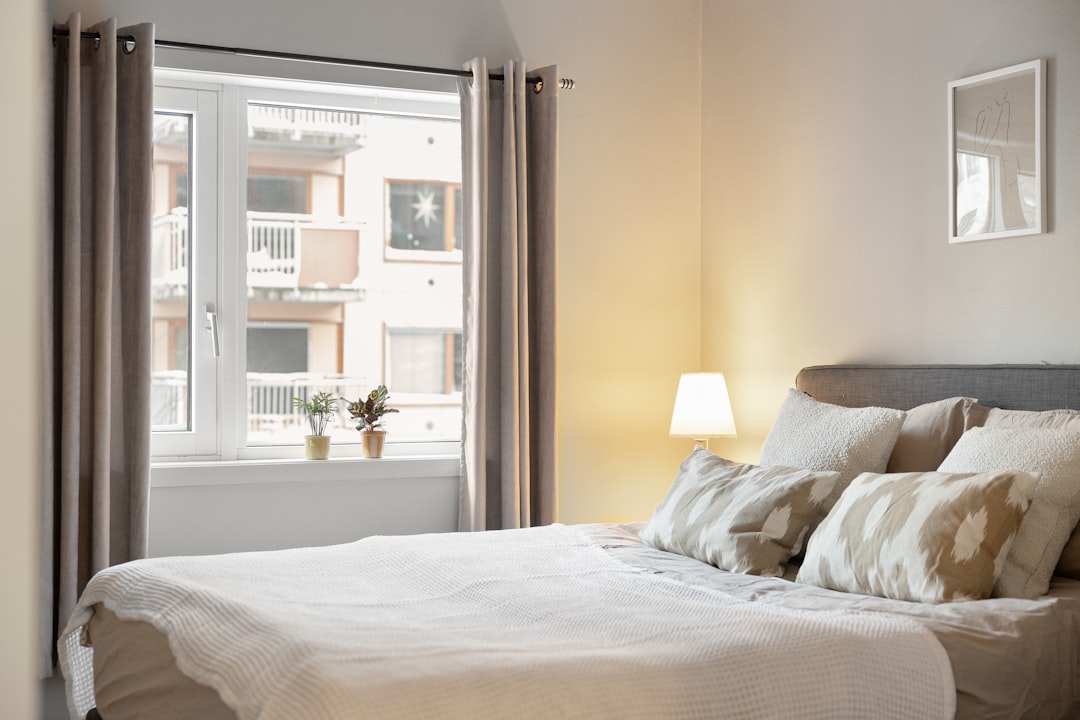
West-facing bedrooms turn into a sauna by four o'clock. That afternoon sun pours in, and if the windows are large and ventilation isn't great, the heat lingers. It's not just the temperature you feel; it's the moisture that gets trapped, creating a warm, damp environment right where you sleep. This is a specific challenge for many condos, where the master bedroom layout often favours bigger windows for the view, but doesn't always pair them with cross-ventilation.
Your mattress protector becomes a critical barrier in this scenario. The wrong material will act like a sponge, holding that damp heat against your mattress and making the whole bed feel clammy. You'll wake up feeling sticky even if the air-con is running. A protector that's breathable and moisture-wicking is essential—it has to let the heat and humidity pass through, not trap it. Think of it as a climate-control layer, not just a stain shield.
Some materials are better suited for this than others. A tightly woven cotton with a waterproof backing might be fine for a cooler, north-facing room, but in a west-facing condo, it can feel like sleeping under a plastic sheet. Look for protectors that mention breathability or moisture management specifically; these often use technical fabrics designed to let air circulate while still providing a protective barrier. The goal is to keep the mattress core dry and cool, even when the room isn't.
There's one exception where you might compromise on this breathability rule. If you have a pet that sleeps on the bed or a child prone to spills, you might prioritise a fully waterproof, impermeable layer to protect the mattress from accidents. In that case, you're trading off some climate comfort for absolute liquid defence. Just be prepared for that trade-off—you'll likely need to rely more on your air-con and perhaps a fan to manage the overall sleep environment.
Ultimately, for most couples in a west-facing unit, the protector's ability to handle humidity is as important as its fit. A Queen mattress protector that's sized right but traps moisture will leave you uncomfortable night after night. It's about creating a dry sleeping surface, so your mattress doesn't become a reservoir for all that afternoon heat and dampness.