
91 centimetres width and 190cm length is the standard for a single bed in Singapore. Generic imports often claim 90cm or 92cm without stating the internal frame width, which leads to wasted space in a 12 sqm flat or cramped master bedroom where every centimetre counts for storage. That difference matters when the mattress slips sideways during sleep. Buyers must verify internal frame width before ordering. Want a king bed? Cannot, this size is strictly for children’s rooms or helper quarters.
Precision here prevents mattress slipping during sleep and ensures proper fit within a 12 sqm room. Most HDB bedrooms measure 3.5 by 3 metres, leaving 30 centimetres clearance on the sides, but the internal layout often dictates where the bed sits relative to the window and the door swing. If the frame is too wide, the exit path gets blocked. You need that gap for daily movement. It is not just about the bed, but the room layout. A helper’s room often has a door that swings inward, so frame width dictates entry clearance too.
Do not trust the external dimensions alone. The internal width is the only number that counts for the mattress. There is one exception where a custom frame works better. If the room is a study doubling as a sleep space, a low platform frame saves floor space, but the height might interfere with the overhead lights and the storage underneath. Otherwise, stick to the standard.
Check the delivery access before committing. Oversized pieces may need staircase carrying or a hoist if the lift door is tight. A standard single frame usually fits the lift, but the bedroom door is the real limit, especially in older blocks where the corridor turns are sharp and the door swing is tight. A single bed fits lor.
Storage beds suit HDB flats where nowhere else exists for luggage or seasonal items. Hydraulic lift-up mechanisms require overhead clearance, while drawer systems need floor clearance to operate effectively. Selecting a frame with built-in storage reduces the need for additional wardrobes.
IDs love to push bed frame flush against wall in 12 sqm common bedroom because they want floor to look bigger on paper, but you won't walk like that. A deep frame eats floor area you need for daily movement. Single bed frames are small, but clearance around them dictates flow. You think it's just about fitting mattress? It's about fitting person. Contractors know trick. They sell you frame, not walkway.
Reserve 60cm path for daily movement near wardrobes. This is magic number leh. If you skimp here, opening wardrobe door becomes a squeeze, and helpers carrying laundry baskets won't fit comfortably in tight space inside room during daily movement. Want space? Cannot skip 60cm. That one becomes bottleneck immediately. Need to measure frame depth before buying. Don't assume frame is standard depth. Some designs stick out extra.
Check distance from window ledge to bed side rail. Child climbing out won't trip if there's enough room. Headboard bumping is painful. Proper spacing ensures helper or child can move freely without bumping into headboard when room is small and cluttered with furniture nearby in corner. Don't let bed frame dominate room. Get layout right. This isn't about aesthetics. It's about living. You want to move around without feeling cramped.
You need at least ninety centimetres of walking space right now. Narrower gaps will make it tough to move laundry baskets. Helpers must carry trays without bumping frames every single day. This gap becomes a bottleneck during heavy cleaning weeks. Always measure the edge before buying frames.
Standard helper rooms often share walls with kitchen storage units nearby. Equipment wheels get stuck if pathways are anything less than wide enough. You might struggle to push the mop bucket round corners quickly. Keep space clear to avoid delays during work. A cramped layout turns simple cleaning into a real ordeal though.
Bed frames should sit away from main sliding door tracks entirely. Obstructions there block the door from opening smoothly during emergencies. Helpers need quick access if someone falls ill or needs help. Don't put beds on tracks. Safety rules say clear paths must stay completely open all the time.
Safe evacuation routes stay vital during sudden fire or medical incidents here. Narrow halls prevent stretcher usage if help needs to bring oxygen sets. Singapore laws require certain clearances for rental unit safety compliance. Check all routes for blockages carefully. This protects them when panic rises in the middle of the night.
Helper rooms often sit alongside kitchens or utility cupboards in HDB flats. Positioning beds against the wrong wall blocks storage access permanently. Check the layout first. Small spaces force strict rules on where you can put things. Get the arrangement right initially to avoid moving furniture later.
Most single beds in a 12 sqm HDB common bedroom sit flush against the wall. You think the frame fits the footprint perfectly. Door swing kills that logic. A standard internal door opens to 90 degrees, carving out a 91cm radius arc from the hinge. Place the headboard there, and you block the entry. It is a common mistake in a 3-room BTO where space is tight.
Measure the gap required for a fully opening door before delivery. You need at least 60cm clearance on the exit side for the frame. A 91cm wide mattress plus the frame width eats into that space quickly. If the bed is in a tight alcove, the door hits the headboard. Damage frame and paint on wall. Happens often enough in older resale blocks where corridors narrow. Picture the delivery crew forcing the door shut against a wooden headboard. They won't like it. Bought the wrong size already, then must change.
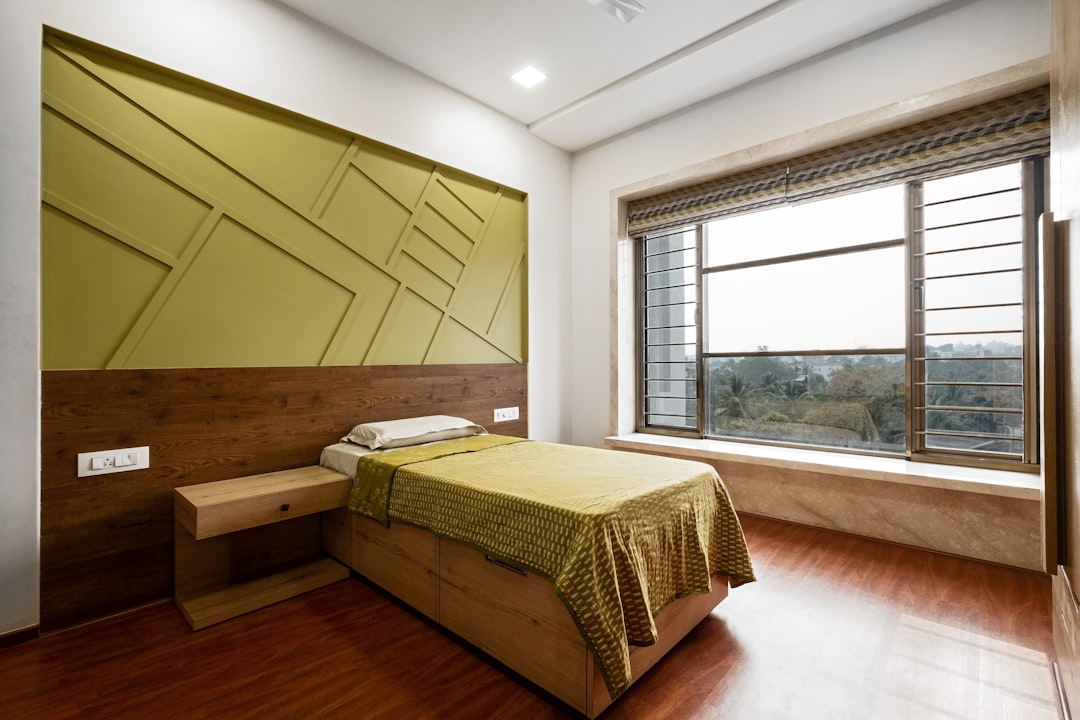
Avoid placing the bed under a window or near the hinge. Only exception if door sliding type runs parallel to wall. Then swing arc disappears completely. Most BTOs still use hinged doors. Check lock mechanism location on the door frame too. A sliding door handles the tight squeeze better. You won't regret checking the layout before the delivery truck arrives. Single works. King won't.
You see the photo and it looks solid. You order it. The delivery van drops the box. You assemble. The frame wobbles. The fabric feels rough. This happens often. Most buyers scroll past the texture. They click buy. Then the frame arrives. It looks cheaper. The photos lie. It is the same story. Many people regret this. You save time online. But the quality is unknown.
Sit on the single bed frame before you commit. Feel the fabric weave quality under your palm. Test mattress firmness levels directly against your spine support needs. Inspect the joint construction under bright showroom lighting. This physical verification avoids costly online returns for comfort mismatches. Don't trust the specs alone. A 91cm frame fits the small bedroom perfectly. But comfort is subjective. Many kids need softer support. Adults need firmness. You want to know the difference. The firmness matters.
Visit Megafurniture showroom in Joo Seng or Tampines. They got the stock ready. Check the collection page online for details. A 91cm width fits the small bedroom perfectly. But comfort is subjective. Go to the centre. Look at the bed. The light is good there. The staff are there. You can touch the wood. You can sit down.
Always check the total height. It's often a surprise in a 12 sqm HDB bedroom where every centimetre counts. Standard mattress thickness sits eight centimetres above the frame base, adding significant bulk to the footprint. Add a box spring and the bed creeps higher, reducing legroom for the legs of the adults sleeping there and making the room feel cramped and uncomfortable for everyone. You'll need to find the answer to: how does mattress thickness impact total height.
Safety must come first. Slat gap limits determine safety for children using the bed daily, ensuring no accidents happen. A gap wider than six centimetres allows limbs to slip through the slats. This not about aesthetics. It's about structural safety standards for growing kids. Buyers often overlook this dimension until already too late — risking safety issues for the children using the bed every single night without any protection or padding. Search for: what are the slat gap limits for safety.
Weight capacity matters even for guest rooms used only occasionally. Adults occupy single beds during visits to the family home. Frames rated for children can't support adult weight long-term without sagging — leading to damage and potential collapse of the entire structure over time and use. Check the load rating before buying. It not just about sleeping. Search for: what is the weight capacity for adults in guest rooms.
Humidity affects metal frames in coastal areas where salt air accelerates corrosion and weakens the structural integrity of the metal joints significantly over time and exposure. Rust forms quickly without proper coating on the metal joints and surfaces. Check the finish before ordering from the showroom. The monsoon season tests every layer of paint — especially in coastal zones and humidity traps. Search for: do metal frames rust in humid climates.
Most buyers sign the option fee without checking the actual floor plan. They trust the brochure. That is where the mistake start. A Single bed frame measures 91cm × 190cm on paper, but internal walls eat space. Confirm exact internal dimensions before paying the deposit. If the room is tight, the bed might not slide in. You need to know if there is enough clearance on the exit side. Leave ~60cm clearance on the exit side, ~30cm other sides. This is standard rule but often ignored. ID teams know the secret because they measure the door first.
Delivery crew face the real bottleneck, but it is not the corridor. It is the lift door opening. HDB lift door is usually 90cm wide. A single bed frame needs clearance. Flat-packed, it might fit. Assembled, it won't. Verify delivery crew can navigate 3-room or 4-room HDB lift limits. Many teams charge extra for staircase carrying. Do not wait until the movers arrive to find out. Got clearance or not? Ask the ID contractor before you commit lor. Some blocks have narrow corridors.
Humidity, that one really kills timber. Singapore climate sits around 80%+. Untreated wood moves with moisture. Check warranty terms for wood warping in tropical weather. Some terms exclude damage. Finalise payment only after confirming all spatial needs are met. Better to wait than regret the purchase. Solid wood can move with humidity — normal, not always a defect. But warranty might not cover it. Avoid cheap particleboard because that material swells one.